Recognised & supported by DoPT, Government of India
Public Policy and Sustainable Leadership
An XLRI Jamshedpur initiative · Batch 2 · Admissions open
A one-of-a-kind executive programme for senior professionals across government, public, private and development sectors - built to equip you with the tools for evidence-based decision-making in an increasingly interconnected policy landscape.
Last date to apply
10th September 2026
Programme begins
18th September 2026
Batch 1 · Campus Module 1
XLRI Jamshedpur · September 2025
In the classroom
A cohort drawn from government, PSUs, industry and development
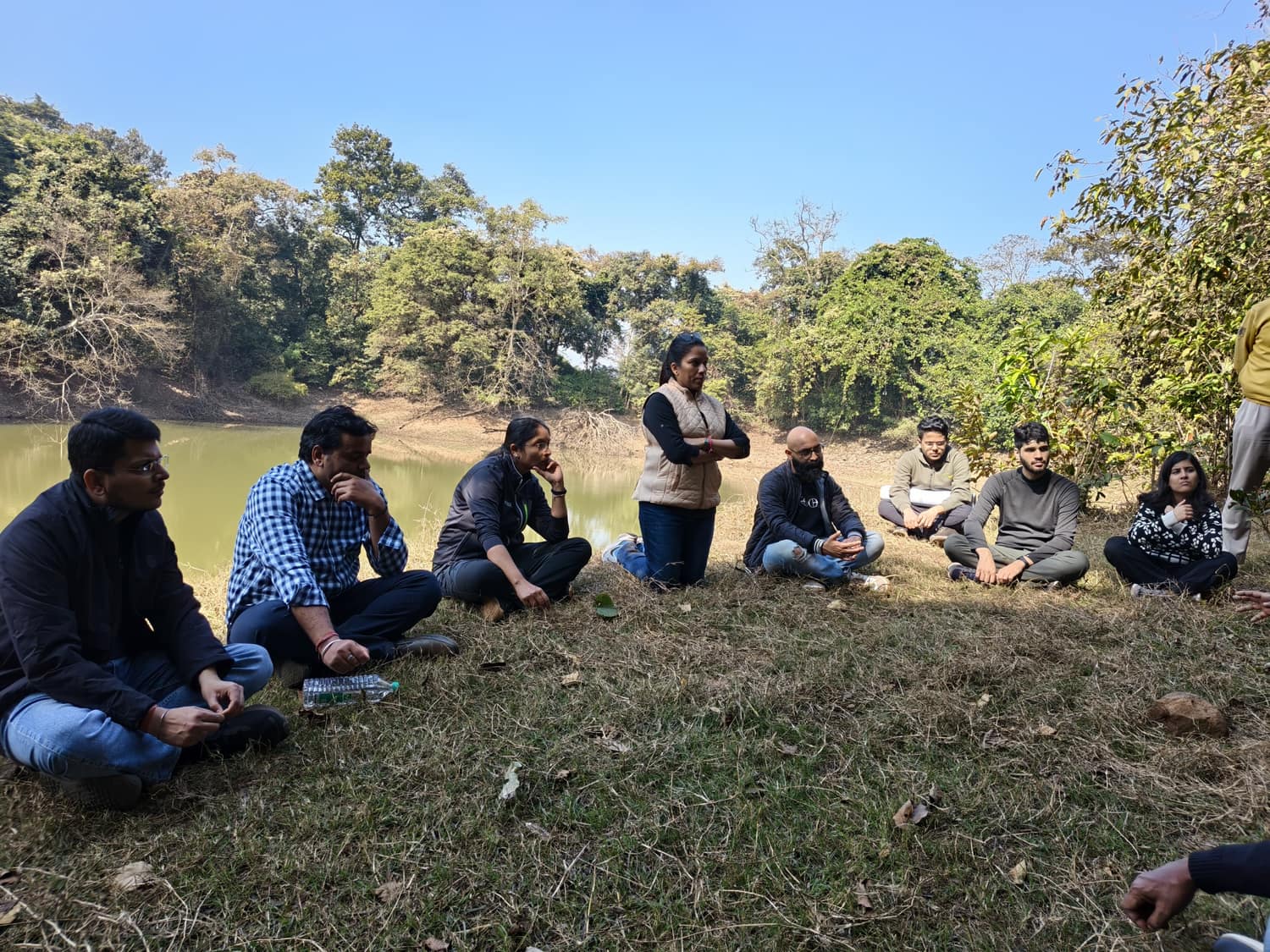
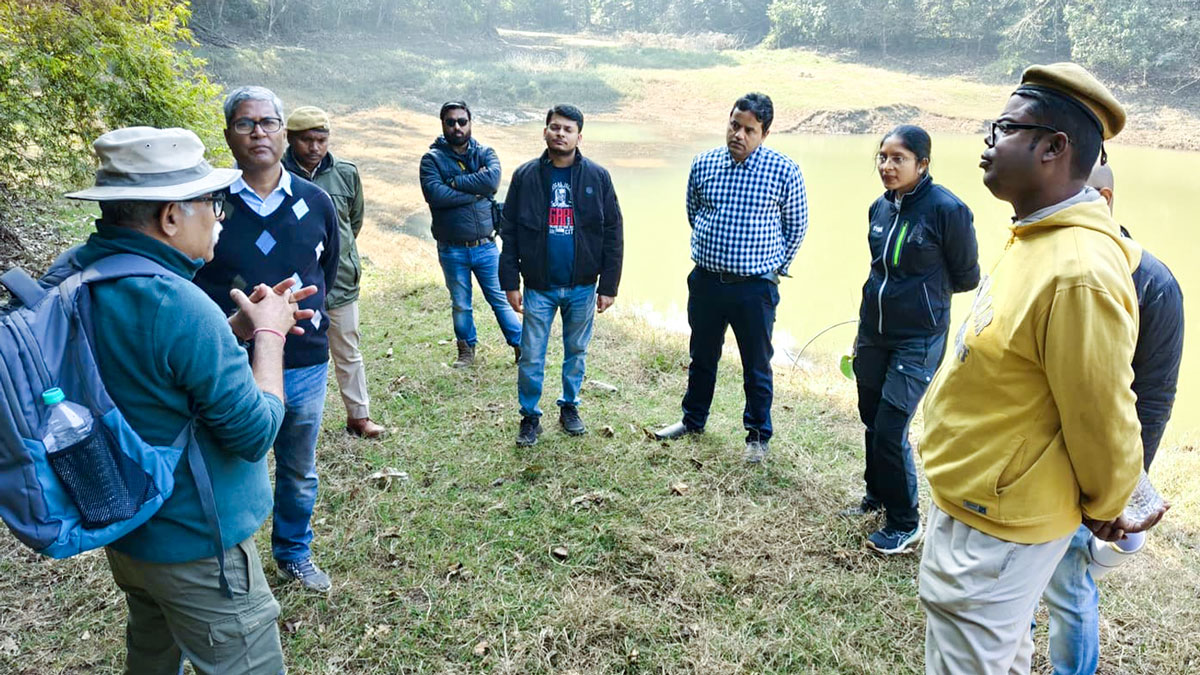
Open-air seminar
Policy discussions carried out of the classroom
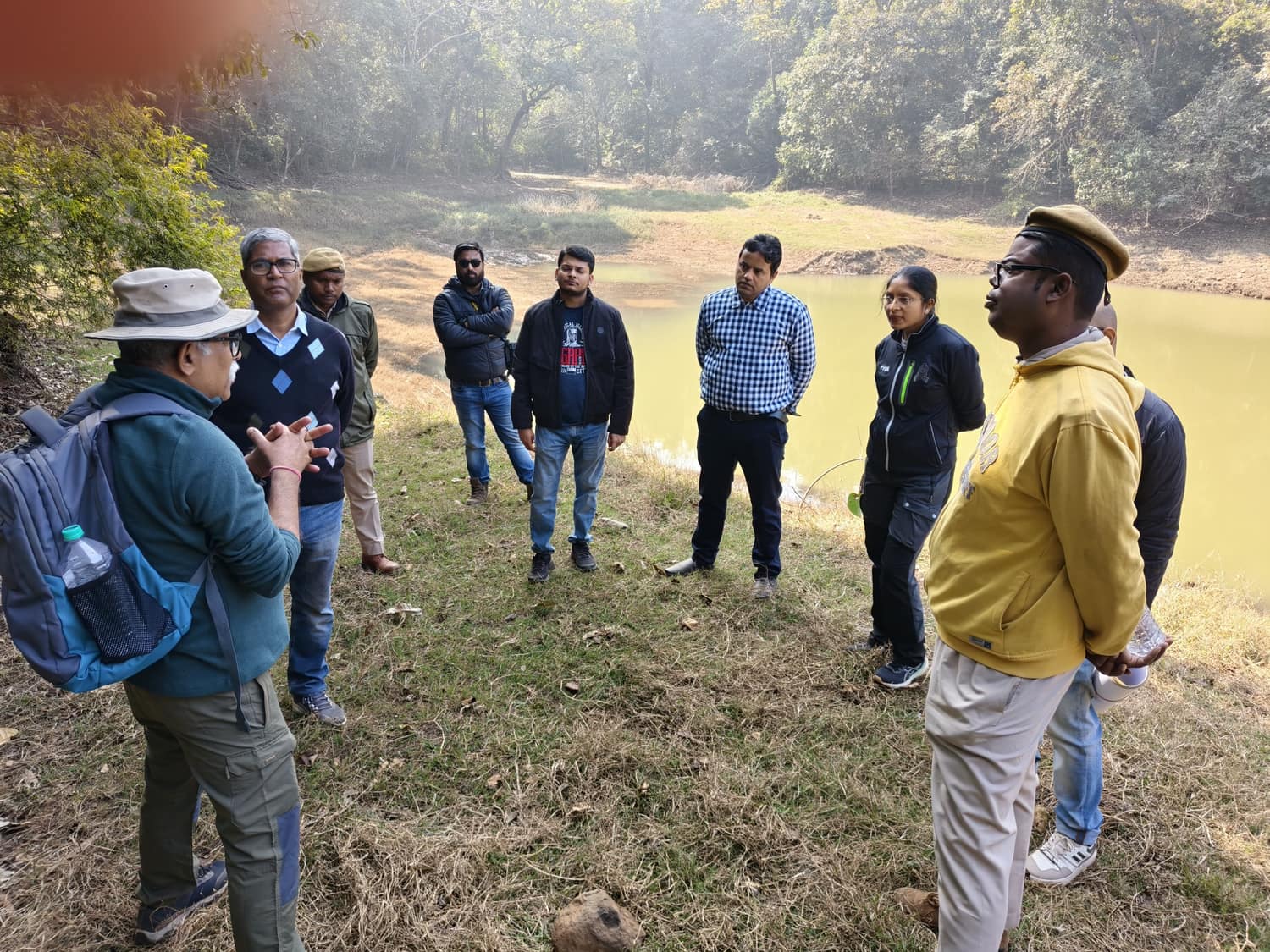
Policy in the field
Learning directly from practitioners, on the ground
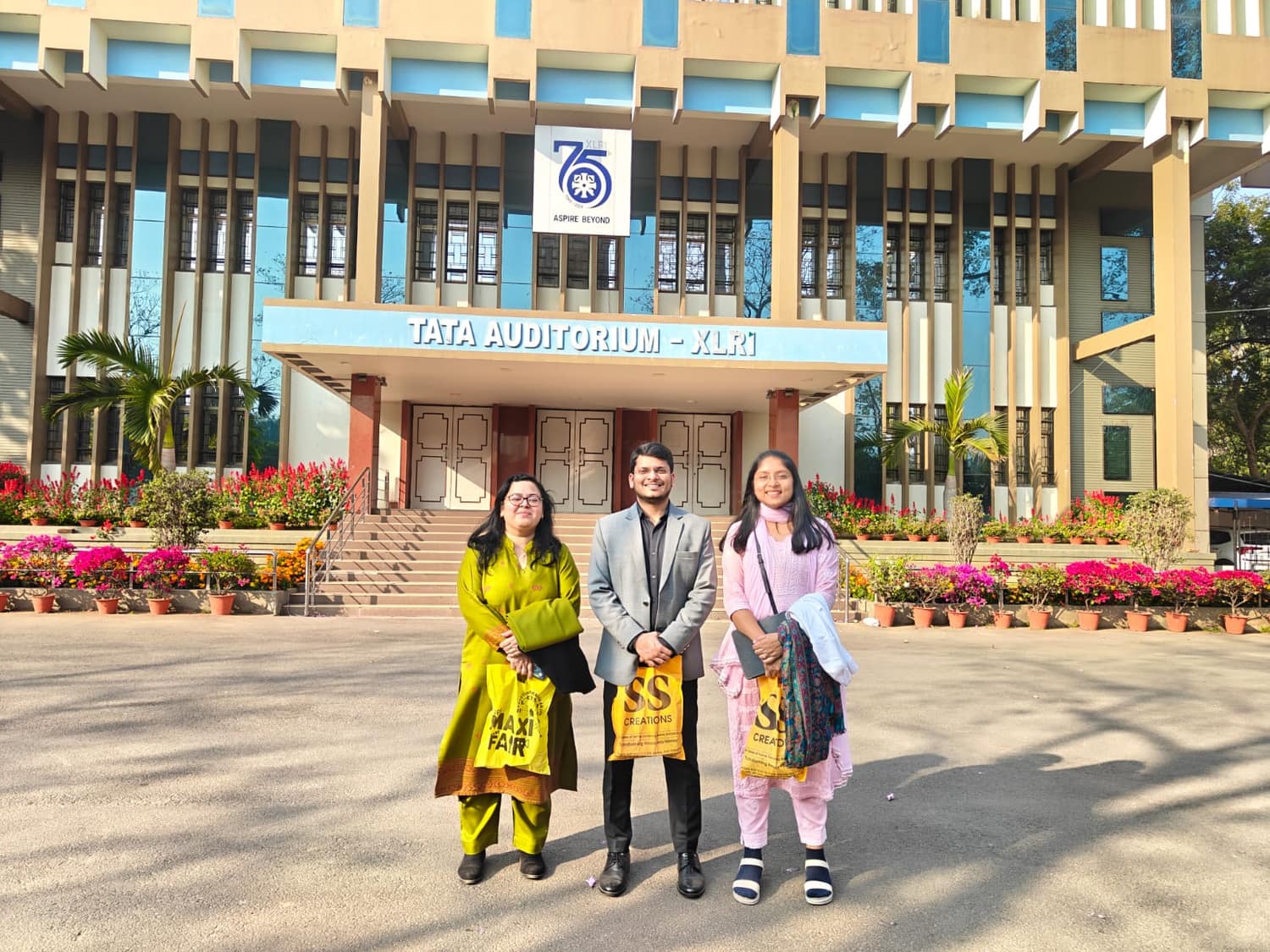
Tata Auditorium
The XLRI Jamshedpur campus in its 75th year
180hours
of instruction
11months
programme duration
06modules
of 30 hours each
02residencies
at XLRI Jamshedpur
About the programme
A strategic bridge between administrative governance and corporate responsibility
The Public Policy and Sustainable Leadership (PPSL) programme is an initiative by XLRI Jamshedpur, recognised and supported by the Department of Personnel and Training (DoPT), Government of India. It is aimed at senior professionals from government, public, private and development sectors working in - or interested in - public policy.
Across 180 hours over 11 months, participants are equipped with the tools for evidence-based decision-making, and prepared to navigate the complexities of modern policy through a genuinely multidisciplinary lens.
Sunday online classes, 10 AM – 1 PMEvery session live & interactiveRecordings for the full programme
6 × 30
hours - six self-contained modules, not terms or semesters
What makes PPSL different
Three things you will not find elsewhere
01 / 03
A classroom you cannot replicate
Civil servants, private sector executives, and professionals from PSUs and the development sector learn side by side. That mix creates a learning atmosphere traditional training programmes - built around a single organisation, industry or profile - simply cannot produce.
02 / 03
Grounded in theory, built for practice
The curriculum cross-pollinates classical public policy questions - democracy, public choice - with the issues defining this decade: environmental ethics, social equity, CSR and artificial intelligence, then moves into finance, instruments, data and non-market strategy.
03 / 03
Modular and hybrid, by design
No terms, no semesters - six self-contained modules of 30 hours. Intensive on-campus residencies anchor the programme; the rest runs live online on Sundays, so demanding work profiles and family commitments both survive the year.
Modular & rigorous curriculum
180 hours, divided into six 30-hour modules
No terms. No semesters. Six self-contained modules that build from the fundamentals of public policy through to sustainable leadership.
01
Fundamentals of Public Policy
The multi-dimensional nature of public policy - from democracy and public choice to environmental ethics, social equity, CSR and artificial intelligence.
02
Public Finance and Management
Connects budgeting with the realities of centralisation and decentralisation across levels of government.
03
Public Policy Instruments
A working portfolio of policy instruments, and how to match the right instrument to the type of policy problem.
04
Data Analysis for Public Policy
Exposure to the range of quantitative and qualitative approaches that make evidence-based decision-making possible.
05
Public Policy and Business Strategy
Non-market strategy - the intersection where public policy and corporate strategy actually meet.
06
Sustainable Leadership
Connects leadership traits and styles to governance, and to change that outlasts the leader who started it.
Built around the way senior professionals actually work
The hybrid model combines intensive on-campus residencies with flexible online sessions, all facilitated by distinguished faculty and experts from the fields of practice - government, development sector and industry.
Work-life balance, by design
180 hours of instruction arranged so that professional and family commitments both survive the year.
Two campus residencies at XLRI Jamshedpur
The programme opens with a two-day residency in September and returns for a three-day residency in January - five immersive days on campus with your cohort.
Sunday online classes, 10 AM to 1 PM
Weekly live sessions held only on Sundays, so academic commitments sit alongside a demanding work profile and personal responsibilities.
Every session is live - and recorded
Sessions are live and interactive so you get the most out of them. Recordings stay available for the duration of the programme if you ever have to miss one.
A capstone in your own field
Under faculty guidance, turn your capstone into a policy brief, an XLRI Case Centre case study, or a research article for national and international publication.
Inside PPSL
From the classroom to the field
Campus residencies, field immersions and the cohort that makes the programme what it is.
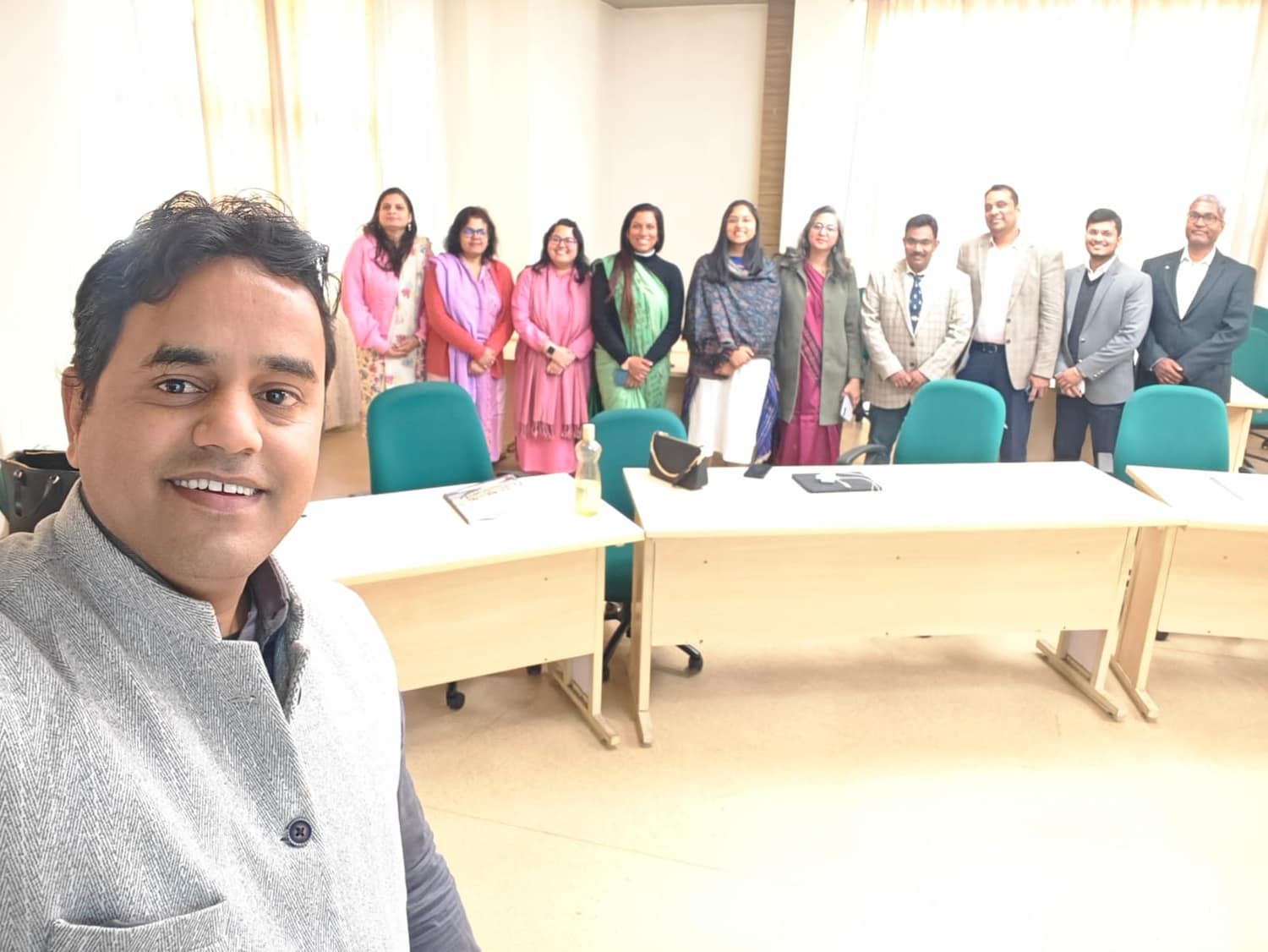
Campus Module 1
PPSL Batch 1 at XLRI Jamshedpur, September 2025
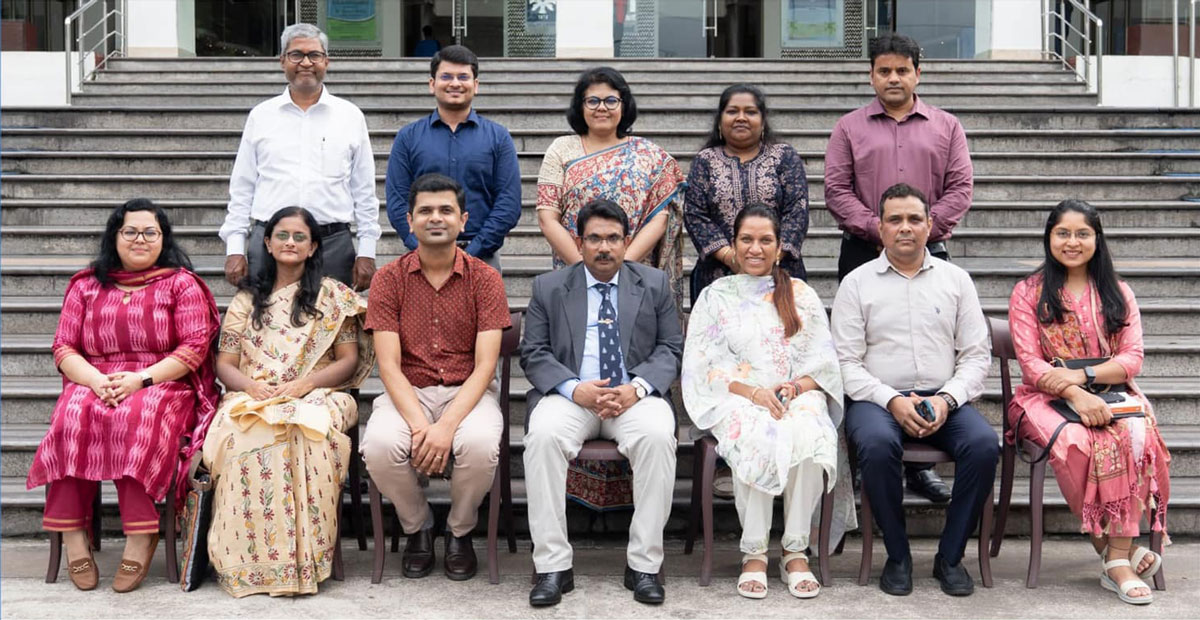
In the classroom
A cohort drawn from government, PSUs, industry and the development sector
Policy in the field
Learning directly from practitioners, on the ground
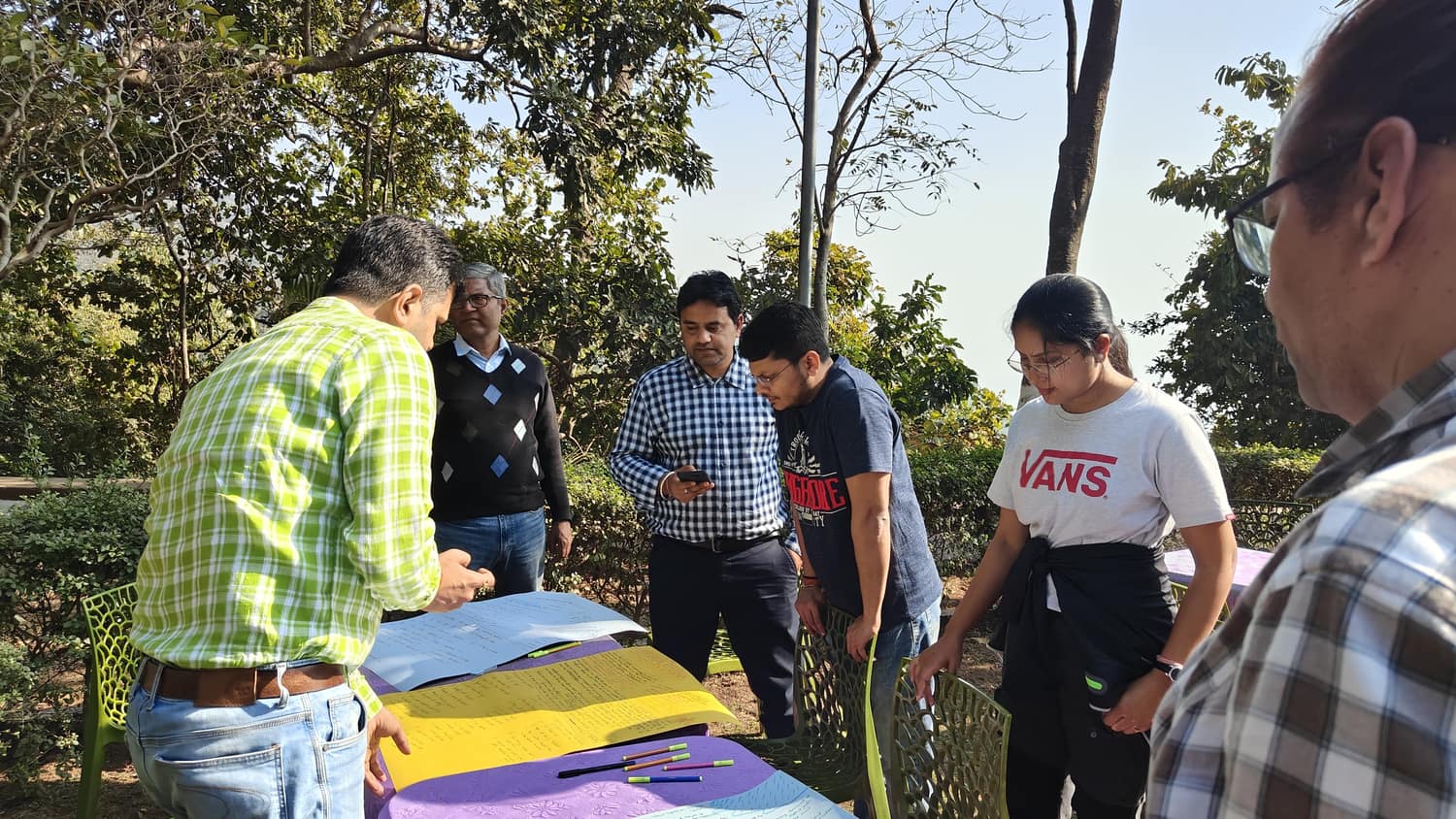
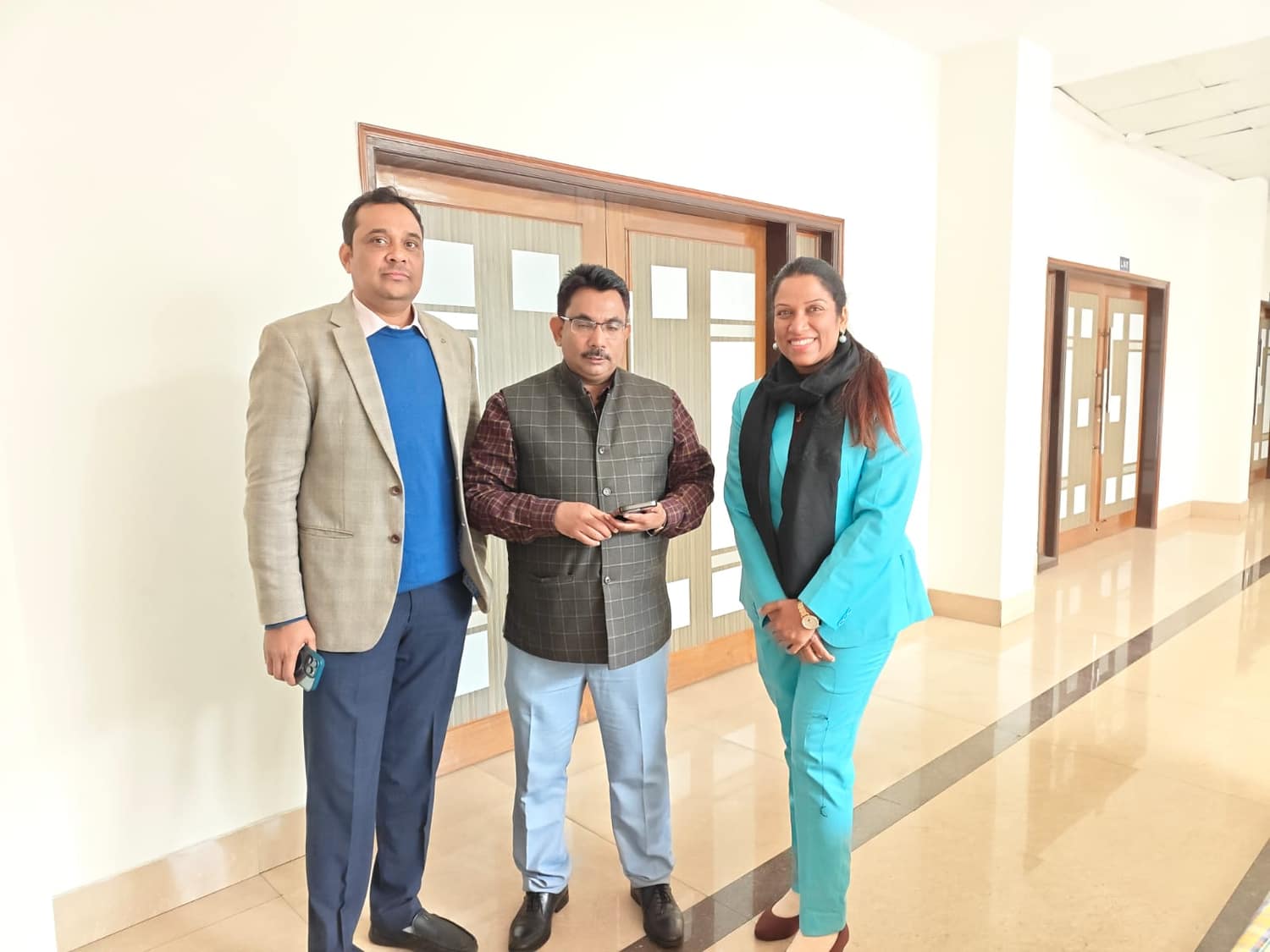
Group work
Policy design exercises during the campus residency
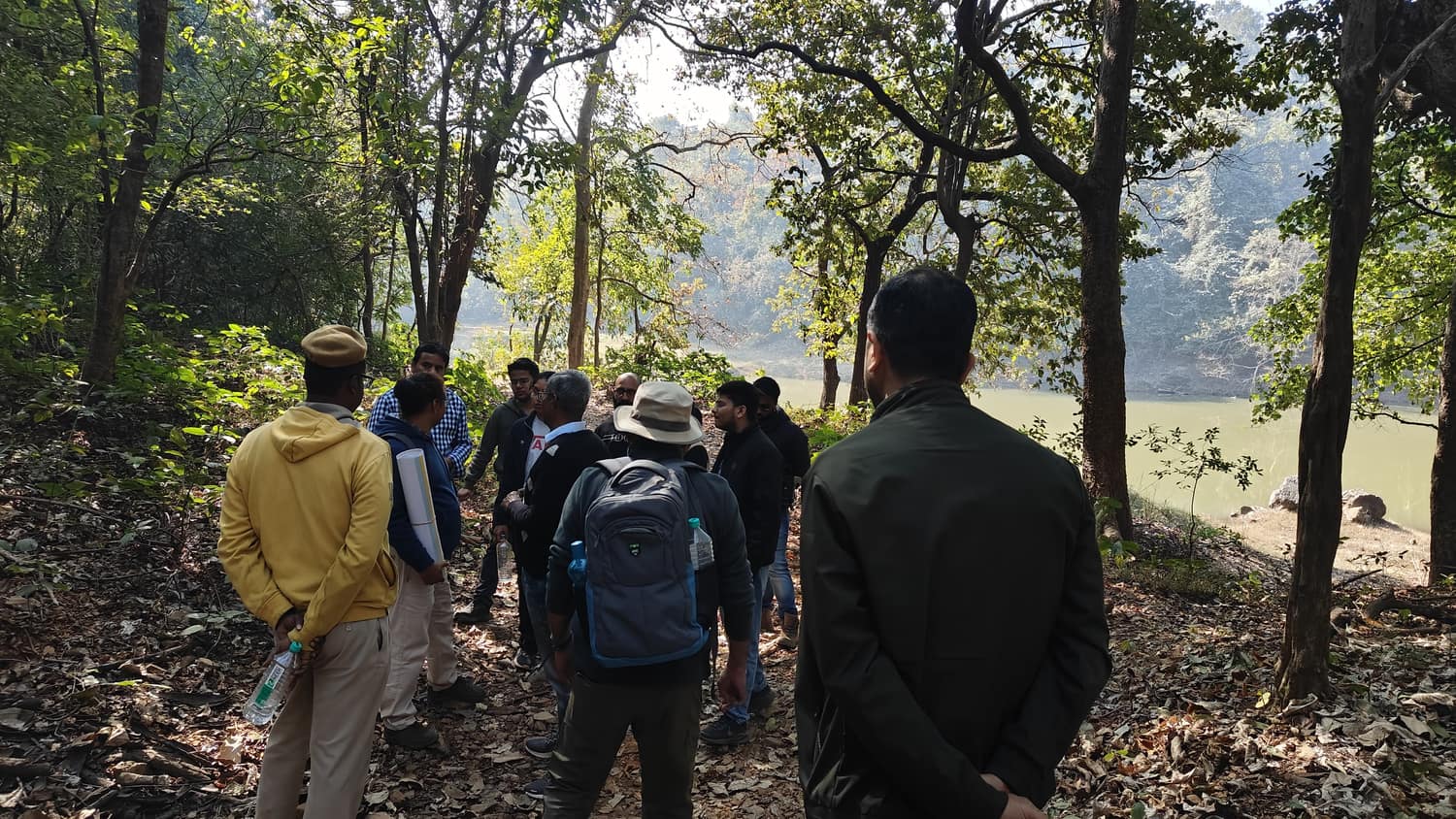
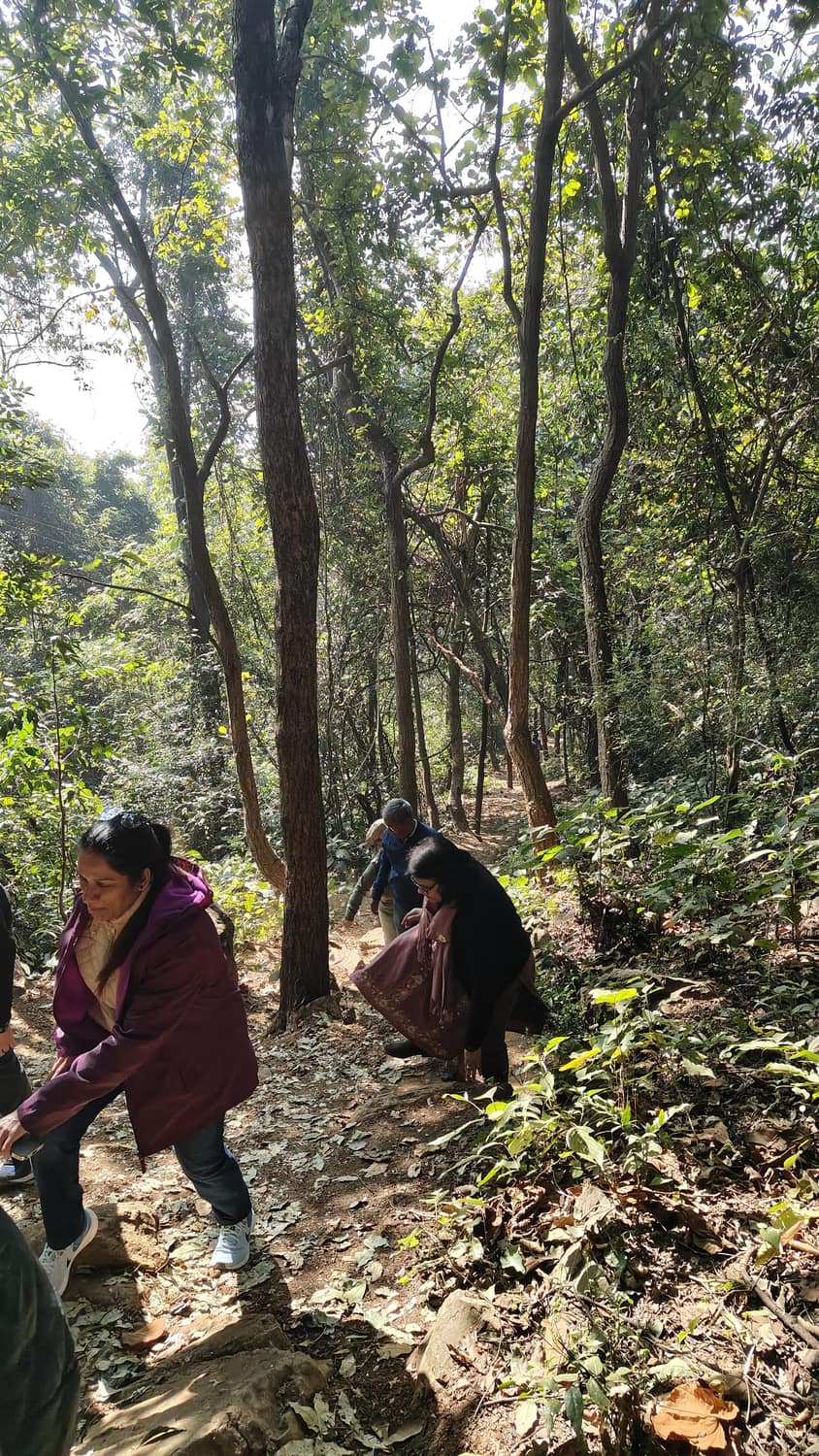
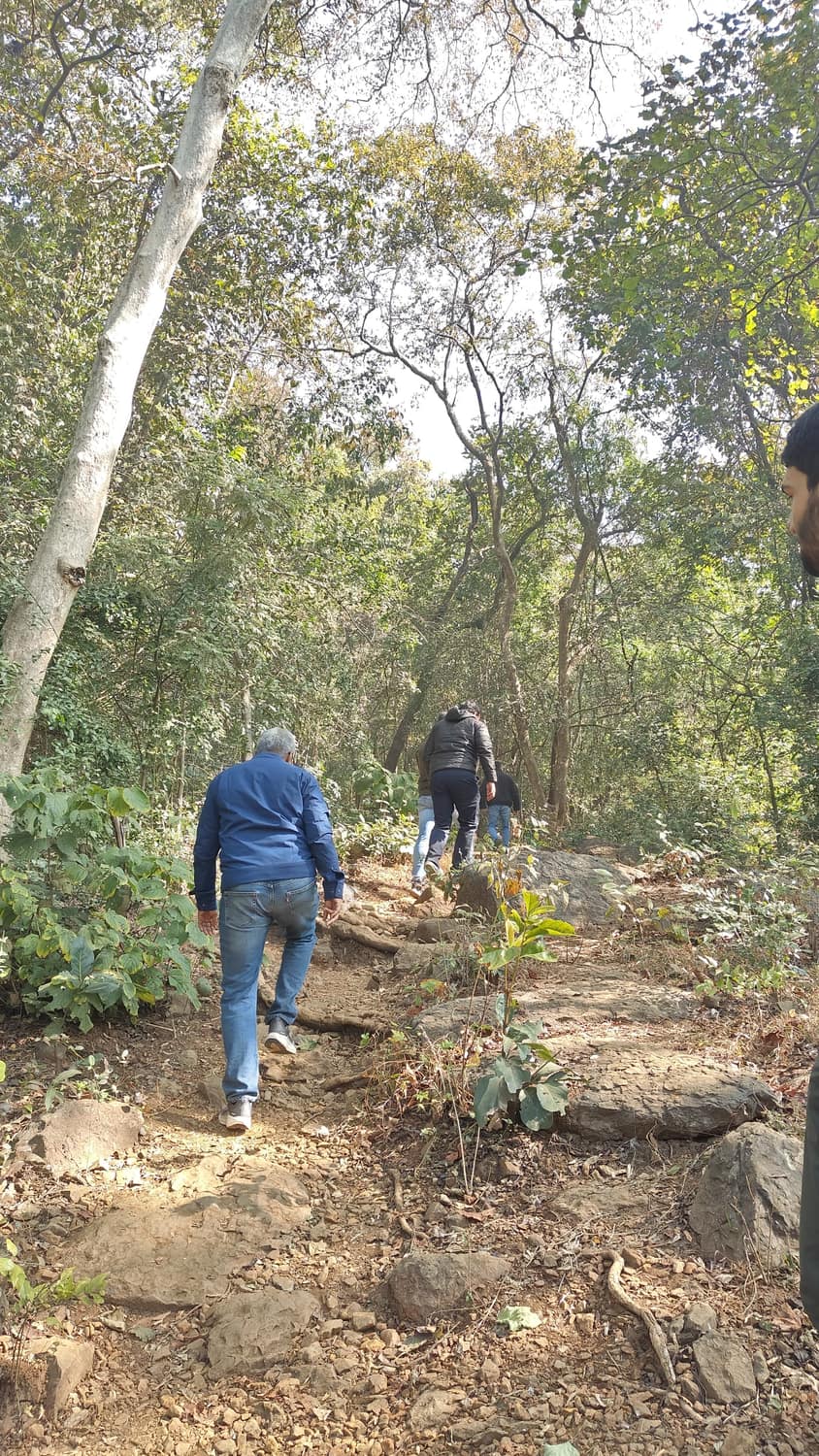
Forests & livelihoods
A field immersion into environment and forest policy
Open-air seminar
Discussion by the water during the field visit
Tata Auditorium
The XLRI Jamshedpur campus in its 75th year
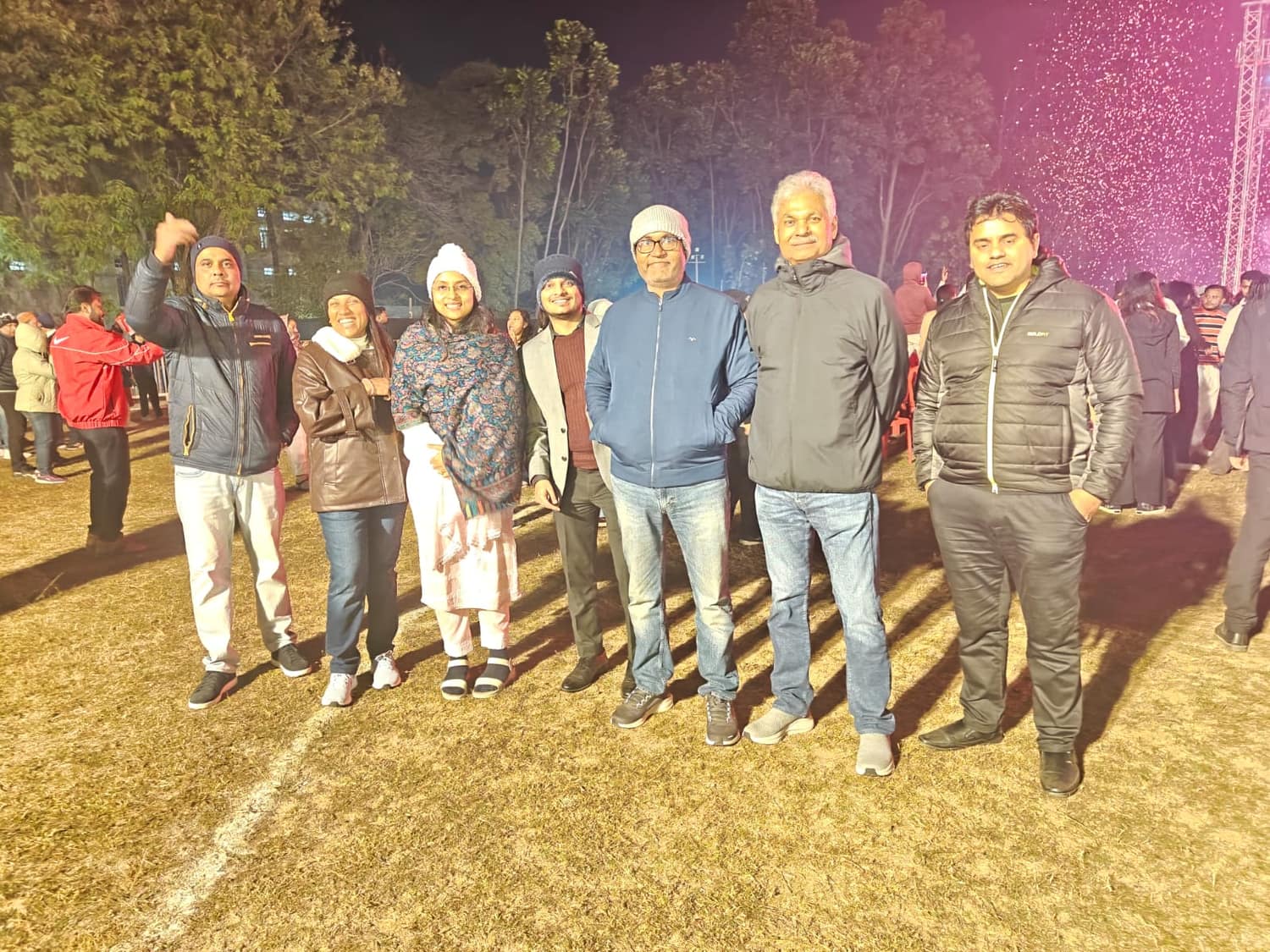
Campus life
Evenings on campus during the residency
Programme highlights
What you carry out of the programme
Capstone Project
Work on a capstone in your own field of interest. Under faculty guidance, participants turn that work into policy briefs, case studies for the XLRI Case Centre, or research articles for national and international publication.
Expert Faculty & Innovative Pedagogy
XLRI academicians alongside experienced practitioners from the public and private sectors, and national and global experts with rich experience across diverse policy areas. Lectures, case studies, experiential learning - and movies and documentaries used to open up policy frameworks.
Eclectic Class Profile
You learn alongside a diverse group of peers from central and state government, private organisations, PSUs and the development sector - the exchange between them is as much the programme as the syllabus is.
XLRI Alumni Status
Successful graduates are eligible for executive alumni status at XLRI - lifelong access to one of India’s oldest and most respected management alumni networks.
The USP
Collaboration across sectors
A central goal of public policy today is to bring together professionals from government - central and state - private organisations, PSUs and the development sector, to exchange perspectives and create sustainable change. That exchange is the programme.
Central GovernmentState GovernmentPrivate OrganisationsPublic Sector UndertakingsDevelopment SectorCSR & Foundations
Faculty
Taught by XLRI faculty and leading practitioners
Sessions are led by XLRI academicians alongside experienced practitioners from the public and private sectors, and national and global experts with rich experience across diverse policy areas.
Serving civil servants, sector specialists and development professionals on what the programme changed for them. Hover to pause a row, and select any card to read it in full.
Admissions
Dates, eligibility and fees
Applications close
10th September 2026
Programme commences 18th September 2026, opening with a two-day campus residency.
Important Dates
Application deadline
10th September 2026
Programme commencement
18th September 2026 (opens with a two-day campus residency)
Second campus residency
January 2027 (three days at XLRI Jamshedpur)
First fee installment
On or before 30th August 2026 - confirms your seat in Batch 2
Second fee installment
On or before 30th January 2027
Eligibility
Graduation from a recognised university.
A minimum of 5 years of full-time work experience.
Senior professionals from government, public, private and development sectors who work in - or want to work in - public policy.
Applicants should clearly articulate their current role, key responsibilities, and their motivation for joining the programme.
Programme Fee
Programme fee: Rs. 2.95 lakhs, payable in two installments.
First installment on or before 30th August 2026 to confirm admission and secure your seat in Batch 2.
Second installment on or before 30th January 2027.
Travel, boarding and lodging for the campus residencies are borne by participants.

 01 / 03